
Santa Fe Springs, CA · Garage Door Service
Should You Wait on That Garage Door Problem, or Call Now?
Thinking about waiting on that garage door noise? Here's what matters for Santa Fe Springs houses built mostly in the 1960s before you decide to do nothing.
- Repairs & new doors
- Springs & openers
- Serving 4 nearby communities
Doing Nothing For Now
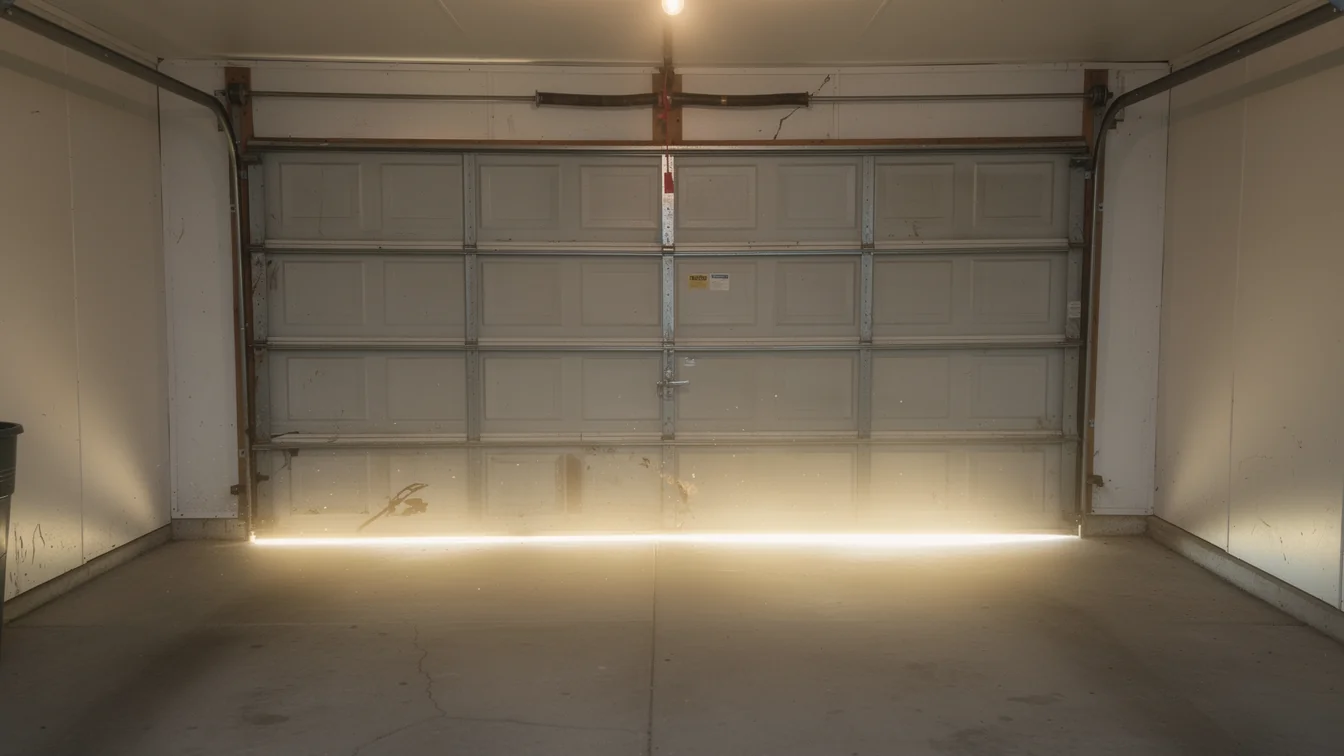
If your door is making noise but still opens and closes, you might be tempted to leave it alone. For some issues that's fine. A squeaky roller or a track that needs a wipe-down isn't an emergency. But in Santa Fe Springs, where most houses went up between 1943 and 2012 with a median build year around 1963, a lot of original hardware is still out there doing its job past the point it should. A spring that's been cycling since the Johnson administration doesn't give much warning before it lets go. Waiting on a spring that's visibly stretched, rusted, or gapped at the coil is different from waiting on a door that just needs lubrication. The honest answer is it depends on what's actually making the noise, not how old the complaint feels. If you're not sure which kind of problem you have, that's the gap this page is meant to close. We won't tell you every delay is dangerous - most aren't - but we also won't tell you every delay is fine, because on hardware this old, some aren't.
What to Check
Start with the springs. On a house built in the 1960s stock common across this area, you're more likely to find a single torsion spring or two older torsion springs than anything newer, and those have a duty cycle that's long since logged. Look for a visible gap in the coil when the door is down - that's a spring near the end. Next, check the cables at the bottom brackets for fraying; original cable doesn't last forever even if the spring has been swapped once already. Check the track mounting - on older framing, the brackets can work loose over fifty-plus years of seasonal wood movement even without any storm damage, since this area sits in a mild temperate climate band rather than one with hard freeze-thaw cycles. Last, listen for grinding versus popping. Grinding usually means rollers. Popping on lift usually means spring or cable. If you hear either and the door still functions, you've got time to call during business hours - just don't run it again until you know which.
The Problem
The real issue with older stock like this is that a lot of these doors were never upgraded when the spring was replaced the first or second time around. You end up with a newer spring on an original track, original rollers, and brackets that were sized for a lighter door than whatever got put on later if the door itself was ever swapped. That mismatch is common enough in houses from this build era that it's worth checking even if nothing sounds wrong yet. None of this means every door here is a ticking clock - plenty of homes have had full hardware updates. But if yours hasn't, and the house dates to the original 1960s wave, the parts working against each other are more likely the reason for an odd noise than anything that happened last week.
How Local Conditions Play In
Santa Fe Springs sits in a mild temperate band, so you're not dealing with the freeze-thaw cracking or deep cold that kills seals and stiffens springs elsewhere. That's a genuine break for door hardware here - less expansion and contraction stress on tracks and panels than a lot of other climates see. What that means practically: if a door here is failing, it's almost always wear and age doing the work, not weather extremes. That's worth knowing before you spend money chasing a weatherproofing fix that isn't the actual cause. It also means a door that's been maintained reasonably well can run longer here than in a harsher climate - which is part of why so much original 1960s-era hardware is still in service across the area instead of having failed outright years ago.
Frequently asked questions
My garage door is from the original build in the 1960s - is it too old to just service instead of replace?
Not automatically. A lot of 1960s-era doors in this area have had springs or openers replaced at some point and the panel and track are structurally fine. Service makes sense if the track, rollers, and panel are solid and only the spring or cable is failing. Replacement makes more sense once brackets, track, and panel are all original and worn together.
Does the mild climate here mean I can skip regular garage door maintenance?
It lowers one kind of risk - you're not fighting freeze-thaw cracking or extreme seal failure - but it doesn't stop wear from age and use. A spring or cable on a 1960s-built house wears out from cycle count, not weather, so regular checks still matter even without harsh seasons pushing things along.
How do I know if my noisy door can wait until next week?
Grinding from the rollers usually can wait a few days. A visible gap in a torsion spring coil, a frayed cable, or a door that's suddenly heavier to lift by hand should not wait - those point to hardware close to failing outright, which on houses this old is a real possibility given how long some original parts have been in service.
Related garage door services in Santa Fe Springs
More garage door guides
Book garage door service in Santa Fe Springs
Call now or request a quote - tell us what the door is doing and where you are.